Jul 21, 2026Enterprise Storage
How to Choose the Right Enterprise Storage Solution for Data Center Projects
Choosing the right enterprise storage solution requires balancing capacity, performance, reliability and availability. XIYATU supports global IT distributors, system integrators and data centers with
How to Choose the Right Enterprise Storage Solution for Data Center Projects
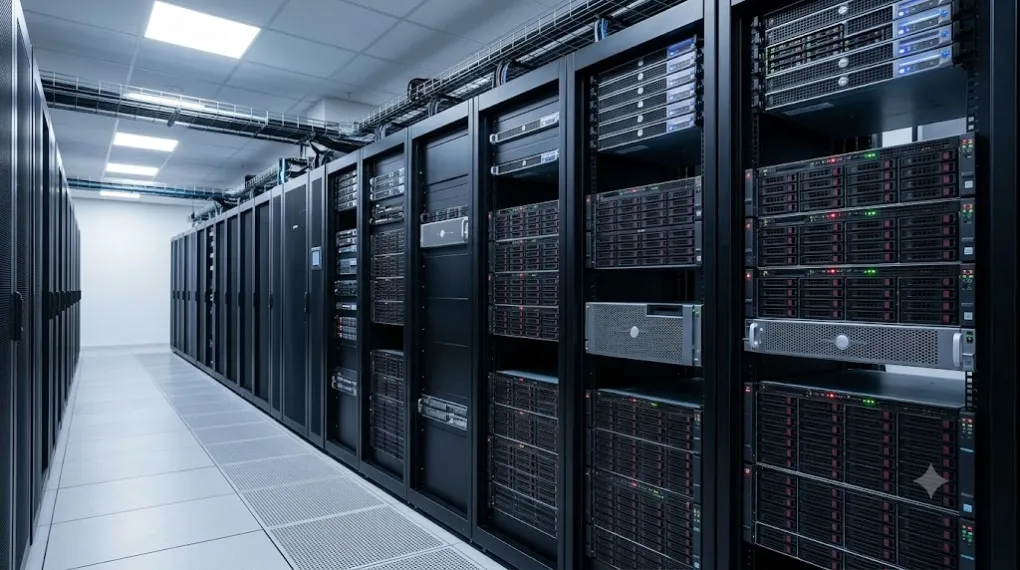
Modern data centers depend on reliable storage infrastructure to support critical applications, cloud platforms, virtualization environments and growing data workloads.
Choosing the right enterprise storage solution is not simply about finding the largest capacity or the lowest price. IT teams and infrastructure partners need to evaluate performance requirements, workload characteristics, reliability expectations and supply availability.
A well-planned storage strategy helps organizations build stable infrastructure while reducing deployment risks.
Understanding Different Enterprise Storage Technologies
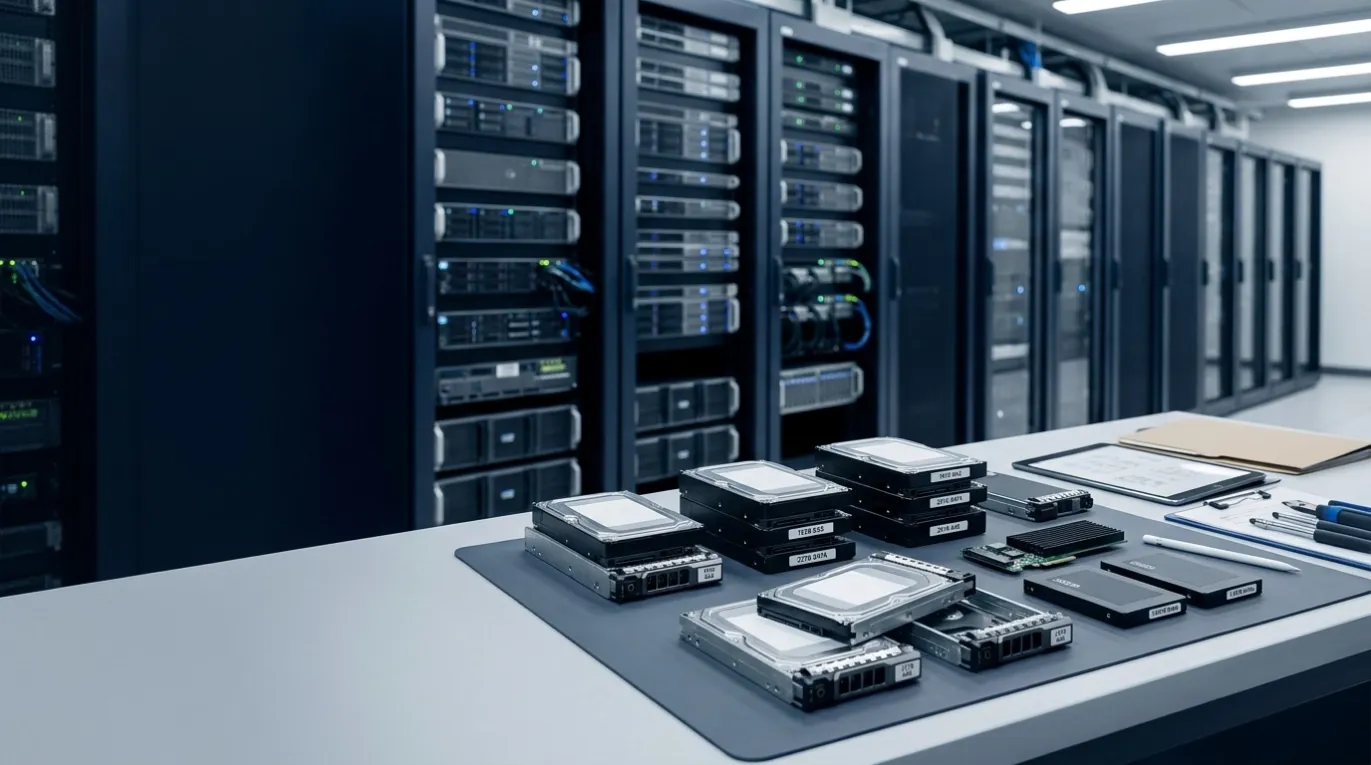
Enterprise storage solutions generally include three major categories: HDD, SSD and NVMe storage.
Enterprise HDD: High Capacity and Cost Efficiency
Enterprise HDDs remain an important choice for large-scale storage environments where capacity, reliability and cost efficiency are key factors.
They are widely used in:
- Data centers
- Backup systems
- Surveillance storage
- Cloud storage platforms
- Archiving environments
High-capacity enterprise HDDs, such as 16TB, 18TB, 20TB and 22TB models, allow organizations to increase storage density while optimizing rack space.
Enterprise SSD: Performance for Business-Critical Applications
Enterprise SSDs provide faster access speeds, lower latency and improved performance compared with traditional hard drives.
They are commonly deployed for:
- Database systems
- Virtualization platforms
- Enterprise applications
- High-performance computing environments
For many enterprise workloads, SSDs improve application responsiveness and overall infrastructure efficiency.
NVMe Storage: Designed for High-Speed Workloads
NVMe storage delivers significantly higher performance by using the PCIe interface instead of traditional storage protocols.
Enterprise NVMe SSDs are increasingly adopted for:
- AI infrastructure
- Cloud computing
- Virtualized environments
- Real-time analytics
Solutions such as Samsung PM9A3 and PM1743 are examples of enterprise NVMe SSD platforms designed for demanding workloads.
Key Factors When Selecting Enterprise Storage
1. Understand Your Workload
Different applications require different storage characteristics.
Before selecting hardware, consider:
- Read/write requirements
- Data growth expectations
- Application importance
- Performance targets
A backup environment may prioritize capacity, while database systems may require higher performance.
2. Consider Long-Term Availability
Enterprise projects often require consistent supply over time.
Selecting a storage partner with stable sourcing capability helps avoid:
- Delayed deployments
- Mixed product batches
- Unexpected replacements
Availability is not only about finding products listed as "in stock." Reliable supply means having access to verified and deployable inventory.
3. Balance Capacity and Performance
The best storage solution is not always the highest-performance option.
Organizations should balance:
- Capacity requirements
- Performance expectations
- Budget considerations
- Future expansion plans
Supporting Global IT Infrastructure
At XIYATU, we support IT distributors, system integrators and data center partners with enterprise HDD, SSD and NVMe storage solutions.
Through reliable sourcing, product verification and global logistics support, we help partners build flexible storage supply chains for different deployment scenarios.